


Hey there, history buffs and curious minds! Have you ever wondered what shapes a legendary family? Let’s hop on a fascinating journey into the past, where we’ll explore the roots of a family that rose to worldwide prominence. We’re diving into the Castro family saga, and it’s going to be a thrilling ride!
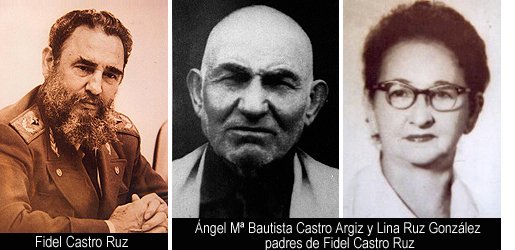
Now, picture this: Cuba in the early 20th century—a land filled with opportunity, especially if you had a knack for hard work and a little bit of luck. The Castro family, led by Ángel Castro, made a name for themselves during this golden era. Ángel wasn’t just a farmer; through his shrewd business skills, he became a powerhouse in the sugarcane and timber industries. This rise to riches set the stage for a family line that would soon become synonymous with Cuban history.
Who Was Manuel Castro Argota?
So, here’s the real question: who was Manuel Castro Argota in the grand tapestry of the Castro family drama? Here’s the scoop. In 1913, Manuel was born into affluence, the son of Ángel Castro and his first wife, María Argota. Imagine being born into a family where opportunities were as vast as the Cuban countryside that his father helped cultivate. Manuel’s life, however, would be fleeting, as he sadly passed away in infancy by 1914. But don’t be mistaken! His story, albeit short, is an intriguing piece in the puzzle of this influential family.
Manuel shared his lineage with some of Cuba’s most famous names. Yes, one of his brothers would eventually become the revolutionary leader Fidel Castro himself! But more on that later.
Manuel’s Place Amongst Siblings
Alright, let’s meet the Castro siblings! You’re probably thinking, “Fidel Castro is a pretty big deal.” And you’re absolutely right. Now, imagine being in a family where not just one but multiple siblings are making headlines. Manuel was part of a lively crew that included María Lila Perfidia (or Lidia) and Pedro Emilio Castro, among others.
In total, Ángel and María had five kids together. While Manuel didn’t grow up to become a historical juggernaut like some of his famous siblings, understanding his place within the family gives us a snapshot of the diverse experiences and stories that existed even within a single household! These siblings would help weave the larger narrative that glued together the Castro legacy.
A Brief Life Amidst Prosperity
Now imagine this: a household bustling with children, the promise of a prosperous future, and the comforting hum of Cuban life in the early 1900s. It was in this vibrant environment that Manuel was born. However, Manuel’s time was incredibly brief, like a soft whisper in an otherwise roaring tale. Born in 1913, he passed away a year later in 1914.
Although Manuel’s life was short, he was born during a high tide in the family’s fortune-building phase. They lived in Oriente Province, a region known for its wealth in agriculture and trading. This was a family entrenched in both the challenges and successes of economic prosperity.
The Historical Footnote
So, here’s the thing: you might be asking, “Why is Manuel’s story important?” Just because a life is brief doesn’t mean it’s not worth remembering. Even in his short existence, Manuel represents the lighter threads in a tapestry full of vibrant, complex shades.
He became a gentle reminder of what was lost—a gap that subtly shaped the family. His untimely demise serves as a humble historical footnote in the larger narrative, one often overshadowed by the political feats his siblings would later achieve. Yet, his existence marked the richness of the family tree to which he belonged and left a small, albeit necessary, space within the sprawling history of the Castro world.
Conclusion: Touching on Family Dynamics
When we talk about family dynamics, the Castros offer an incredible blend of wealth-building ventures and deeply personal stories marked by both joy and sorrow. Ángel Castro’s wealth didn’t just bring his family prosperity; it set the stage for a glorious and complicated legacy, the effects of which are still felt today. There’s a duality here, right? Prosperity and loss, public fame, and private grief.
Just picture how this dynamic shaped each member of the family, understanding that even an infant’s fleeting existence can echo through history. Manuel’s story reminds us of the unseen influences and hidden layers that shaped the lives of his surviving siblings, who would go on to leave indelible marks on Cuba and the world.
Further Insights: The Castro Legacy Unfolded
And now for the grand finale! The impact of Ángel Castro’s successful ventures can’t be overstated. The profits from his business dealings did more than just fill the family coffers—they laid a concrete foundation for the Castros to reach extraordinary heights. This monetary success acted as a trampoline, propelling the family forward into a future of political and social influence.
Sure, the Castros might be recognized for their pivotal roles in Cuban history, but it was the family dynamics—the deeply personal stories alongside Angels’ entrepreneurship—that shaped the narrative of their legacy. To dig deeper into how familial behaviors and historical contexts interacted, you might want to check out more on intriguing stories like these. For more history unraveling straight into your curious mind, drop by this link.
Remember, every story has layers. Peeling back those layers reveals not just the public history of powerful figures but the private, often overlooked tales like that of Manuel Castro Argota. We might say Manuel’s life amounted to little in the grand design of history, but it’s these very footnotes that make the overarching saga rich and endlessly fascinating!
Also Read: